 Emergency Number

Winter is a beautiful time to travel, but it also brings unique health challenges. Cold temperatures, dry air, and fluctuating weather conditions can affect your immunity, skin, respiratory system, and overall comfort. For many individuals—especially children, senior citizens, and people with chronic illnesses—travelling in winter care requires extra precautions.
Whether you are travelling by car, flight, or train, being prepared helps you stay safe, warm, and healthy throughout your journey.
The body reacts differently to cold temperatures. Reduced humidity can cause dry skin, cold winds may irritate the respiratory system, and sudden temperature shifts can weaken immunity. Understanding how to take care in cold weather helps prevent infections, dehydration, fatigue, and seasonal illnesses.
Some common health issues during winter travel include:
Taking preventive steps is key to maintaining your health even while exploring colder destinations.
Choosing the right clothing is a major part of travelling in cold weather care. Layering helps maintain body temperature and prevents sudden cold exposure, which can trigger health issues for people with asthma, arthritis, or heart problems.
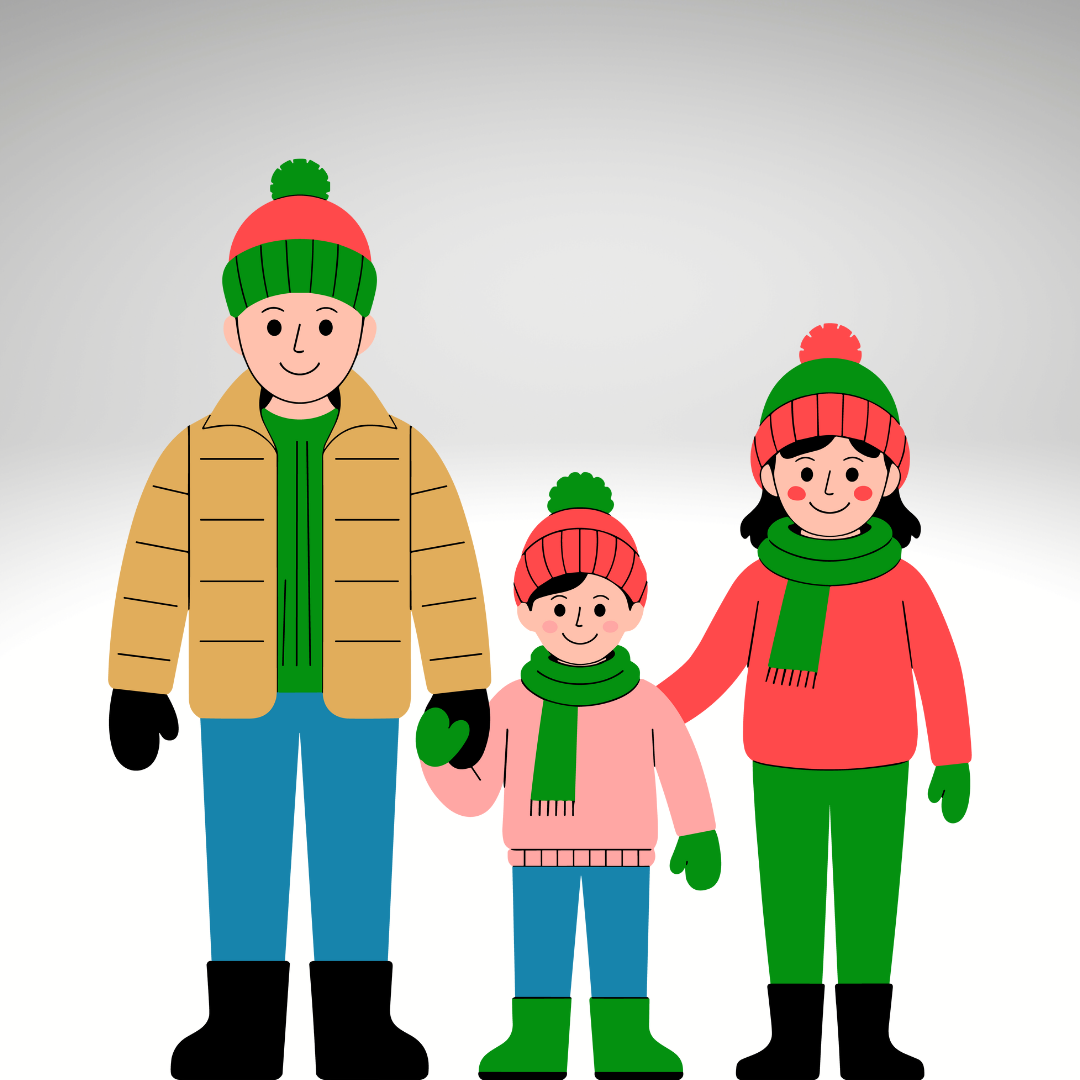
Helps retain body heat and keeps moisture away from the skin.
Sweaters or fleece jackets provide insulation, preventing heat loss.
Protects against wind, snow, and sudden temperature drops.
These protect areas where heat loss is most common.
Learn More – Making the best out of this Cold Season – Advantages of Winter and Health Tips to make it a Breezy Winter
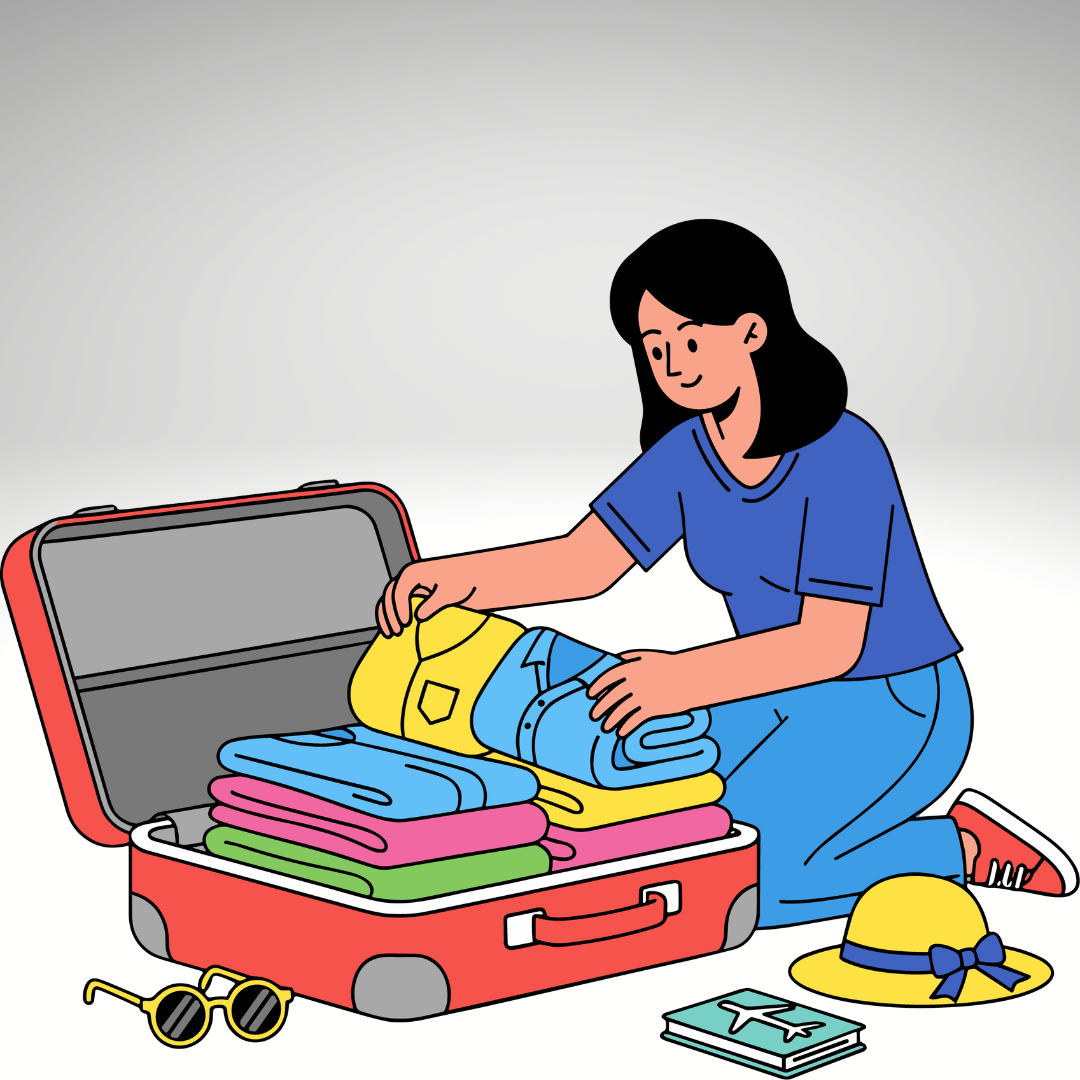
Planning your luggage well is essential for both comfort and safety. Smart packing helps you stay prepared for medical needs and harsh weather conditions.
Here are the best packing tips for winter travel:
Thermals and fleece reduce bulk while keeping you warm.
If you have asthma, allergies, sinus issues, heart disease, or diabetes, keep prescribed medicines in your hand luggage.
For travellers with chronic conditions, consulting specialists at Vydehi Hospital before a long winter trip can help ensure safer travel.
Carry a flask with warm water and oral rehydration packets.
Useful when you pack for cold weather and need to save space.
Helps counter the effects of cold weather on skin, which often becomes dry and irritated.
If you are planning a road trip, ensure your vehicle and medical essentials are ready.
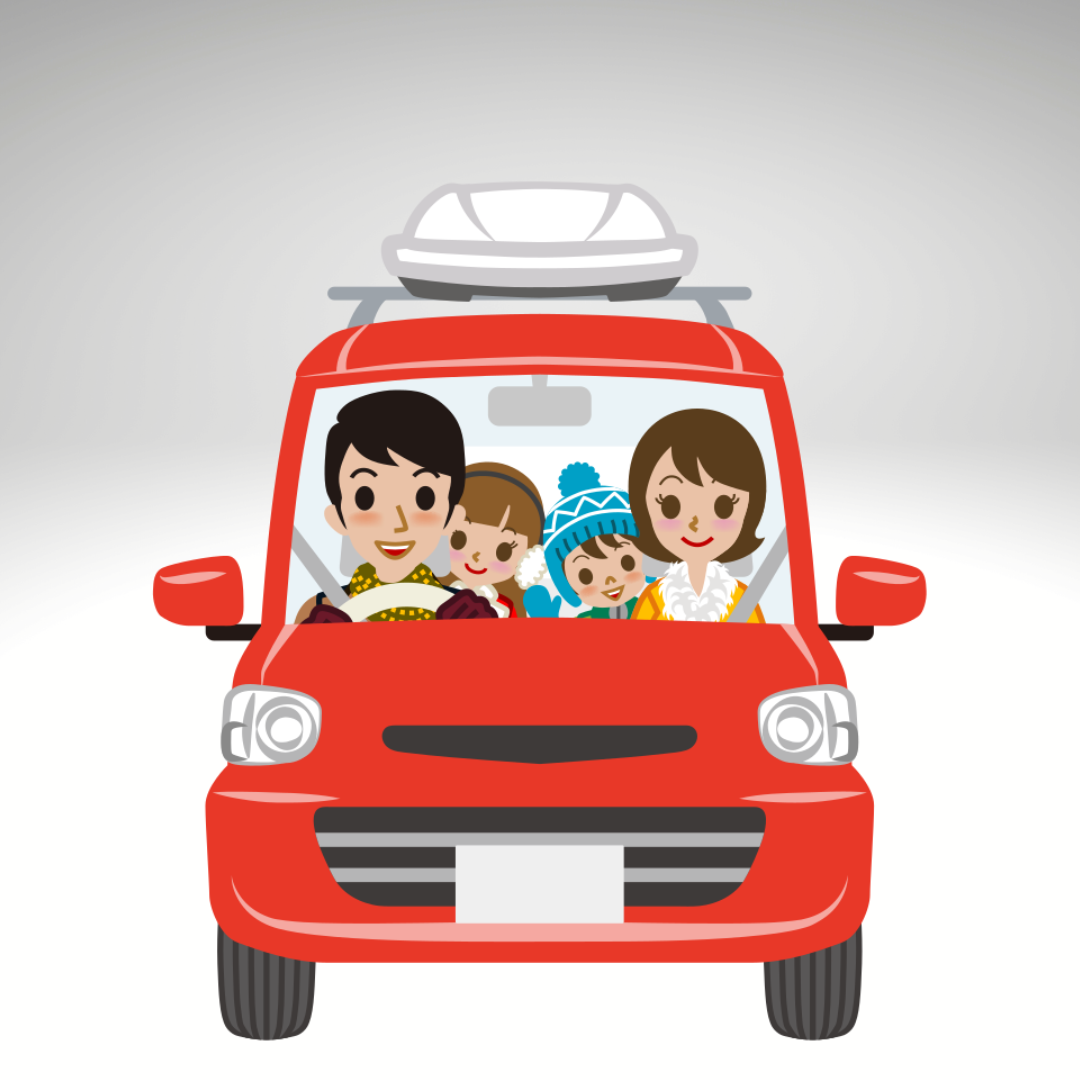
Here’s what to pack in car for winter travel:
Carrying a basic health safety kit reduces the chances of health emergencies during long cold-weather travel.

Cold air contains low moisture, causing dryness, cracks, and irritation. Proper skin care helps prevent infections and discomfort.
Here’s how to take care of skin in winter naturally:
These steps help protect skin from cold weather and prevent winter-related skin issues.
Know More About – Skin Care: Essential Care in Winter
People often ask: Is being cold good for your immune system?
Short-term exposure may activate some responses, but prolonged cold lowers immunity, making you more prone to infections.

To stay healthy:
These practices help protect yourself from cold and cough during travel.
If you have existing respiratory, cardiac, or immunity-related conditions, consider seeking pre-travel advice from doctors at Vydehi Hospital for safer winter travel planning.

Here are essential winter travel tips recommended by health professionals:
Winter travel may require special care for:

If you fall under any of these categories, a medical consultation at Vydehi Hospital can help minimize winter-related travel risks.