


Seasonal changes, especially the transition from winter to warmer months, often bring a surge in viral infections. Seasonal viral fevers are among the most common health concerns during this period, affecting people of all age groups. Understanding what seasonal viral fever is, why it occurs, how it spreads, and how to protect ourselves can help prevent complications and ensure timely treatment.
At Vydehi Hospital, we frequently see patients with viral fevers during and after winter, and early awareness plays a crucial role in recovery.
Seasonal viral fever refers to fever caused by viral infections that occur more frequently during specific seasons, especially after winter. These infections are triggered by viruses such as influenza viruses, adenoviruses, rhinoviruses, and other respiratory viruses.
Seasonal viral infections are usually self-limiting, but symptoms can vary from mild to severe depending on age, immunity, and existing medical conditions.
Many people wonder why seasonal viral fevers occur more commonly after winter. The reasons include:
These factors make the body more vulnerable to viral attacks, leading to winter fever and post-winter viral illnesses.
Understanding how seasonal viral fever spreads is essential for prevention. These infections commonly spread through:
Crowded places, schools, offices, and public transport can increase the risk of transmission during seasonal outbreaks.
Know More, Viral Fever: Symptoms, Causes, Diagnosis & Treatment
The common symptoms of seasonal viral fever often appear suddenly and may include:
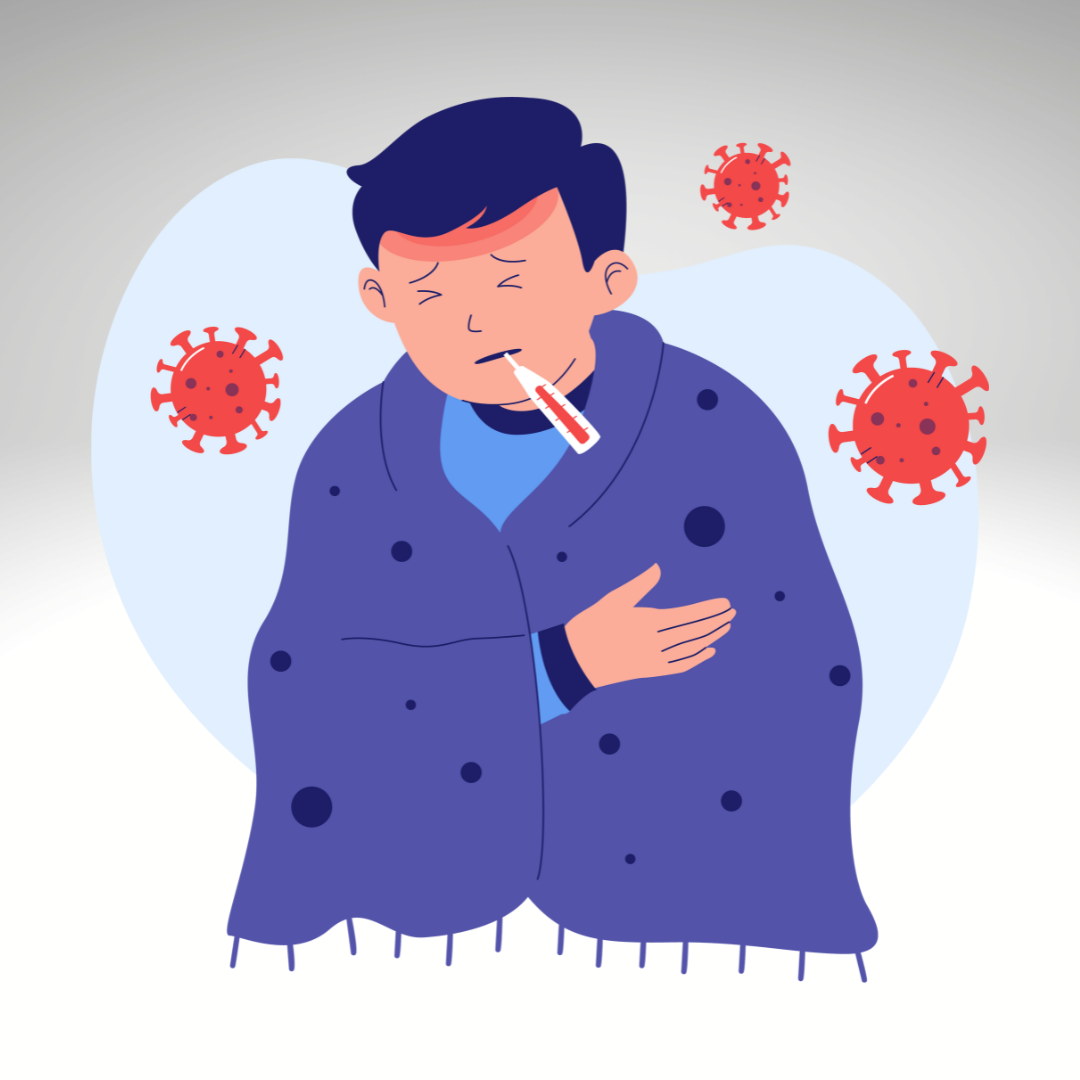
Fever with chills
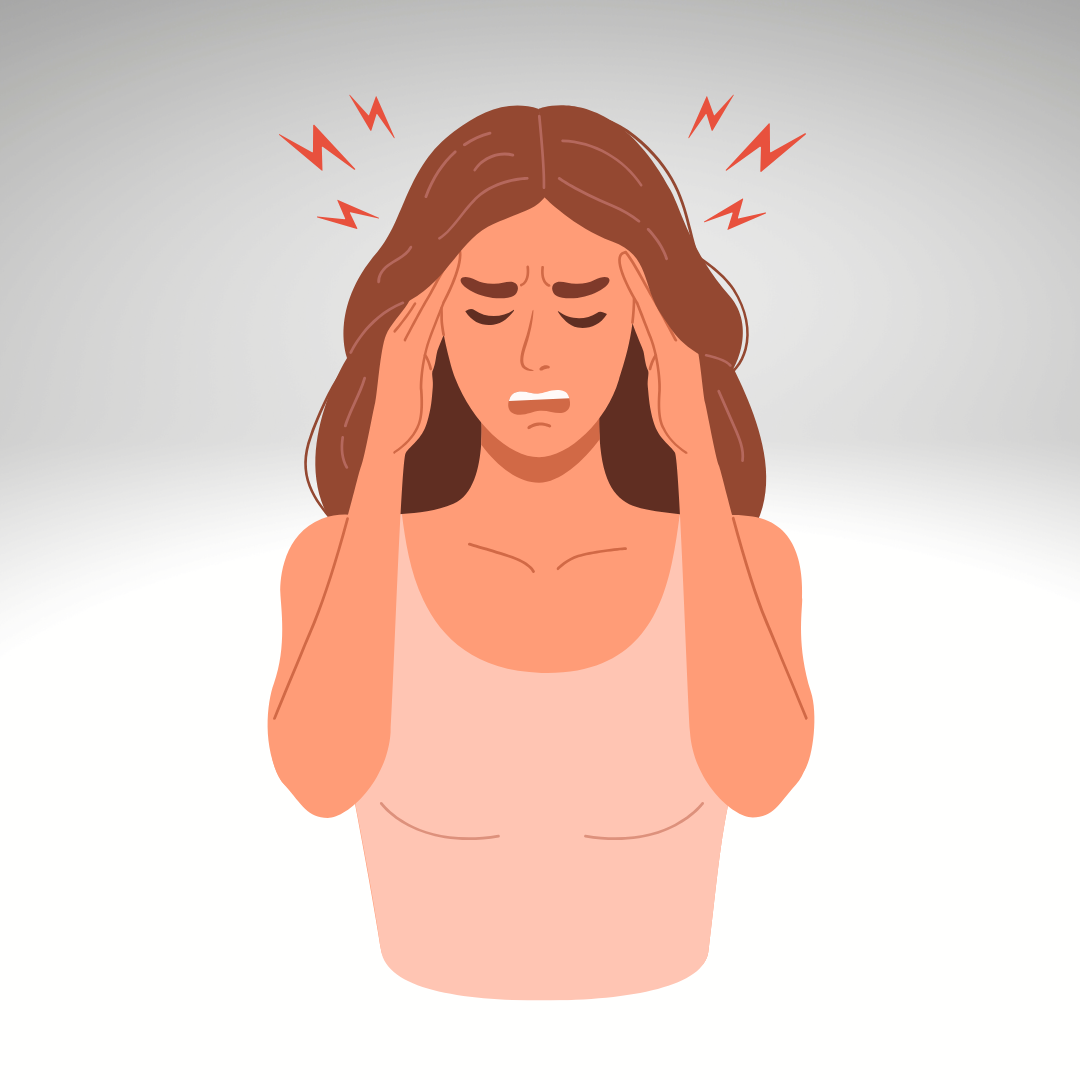
Headache and body aches
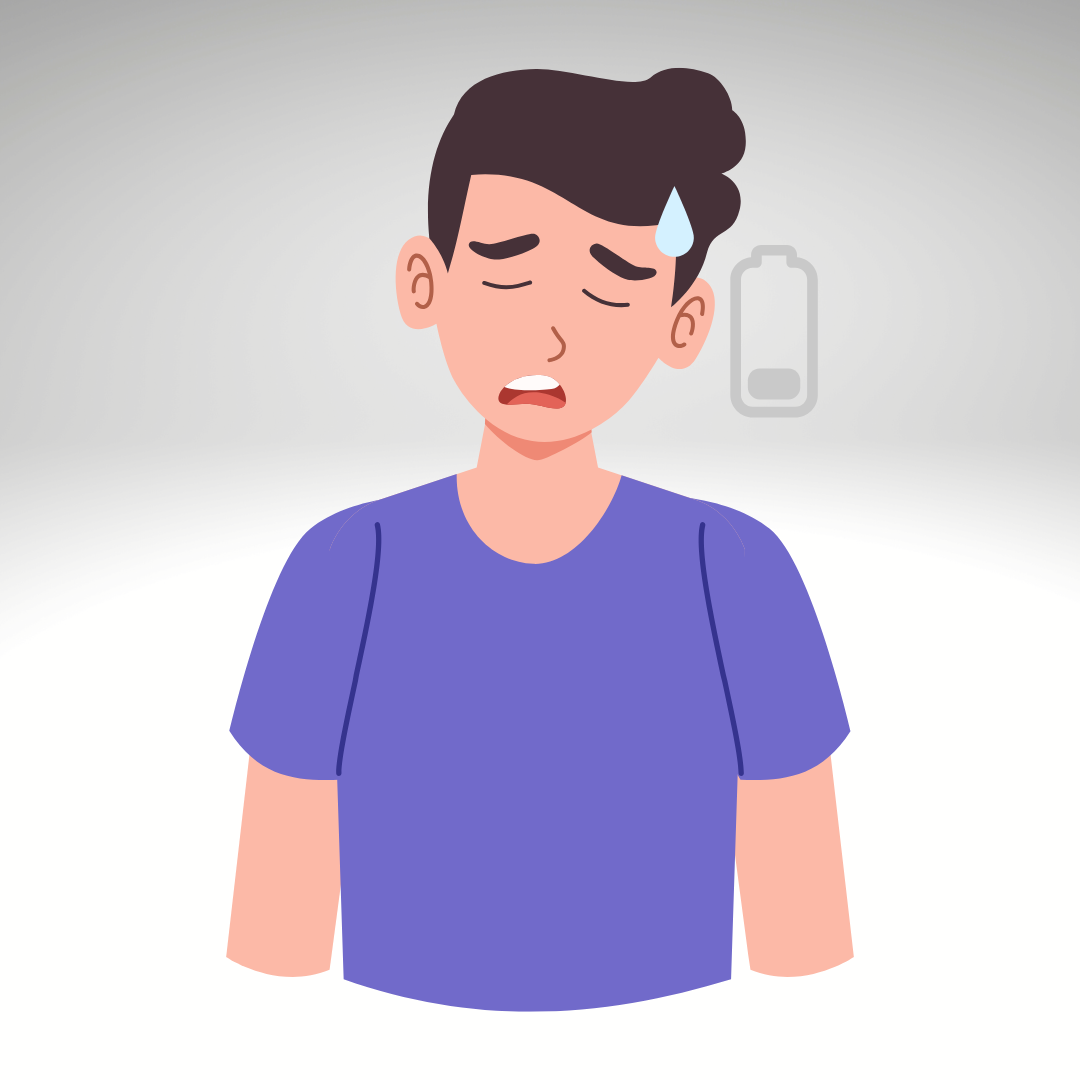
Fatigue and weakness
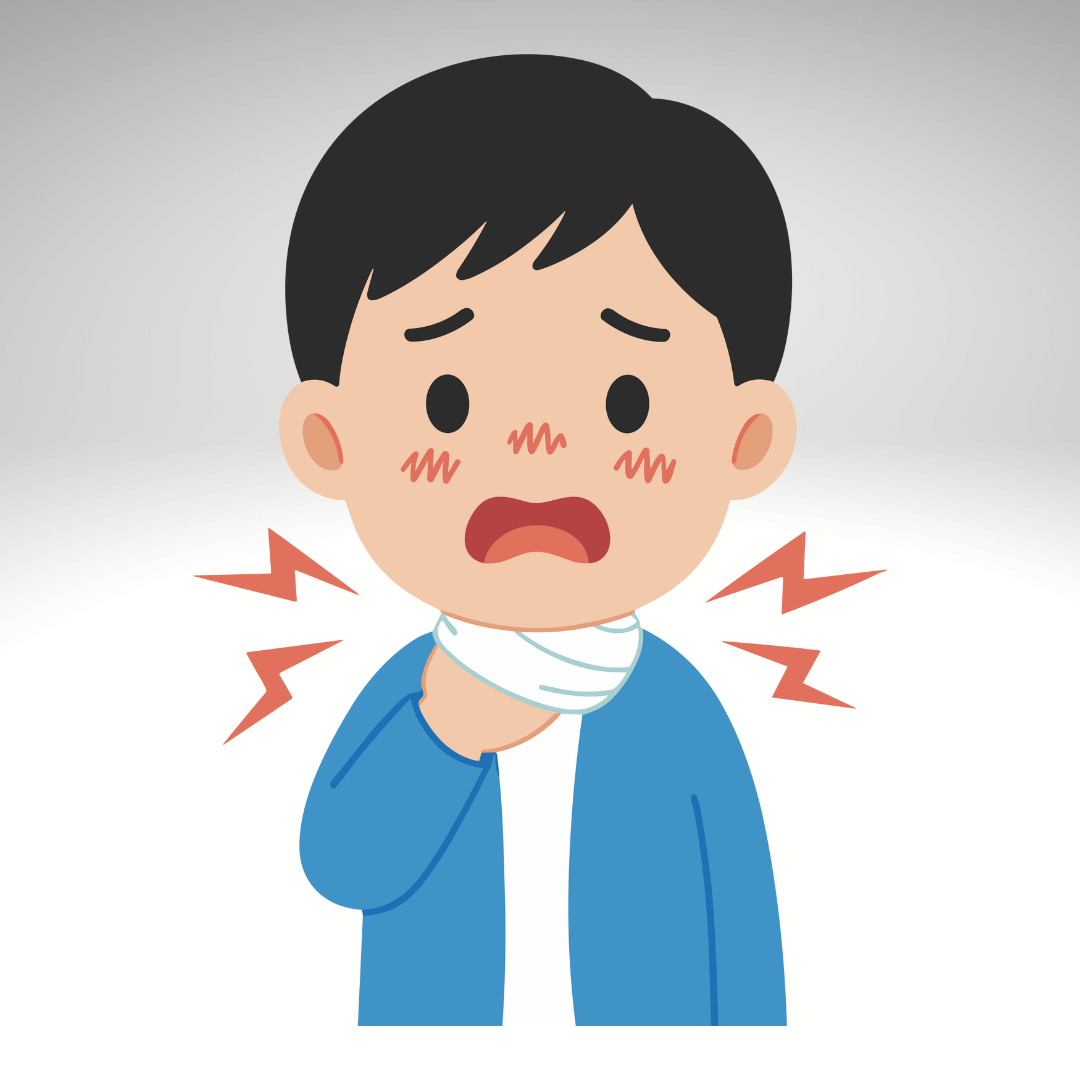
Sore throat
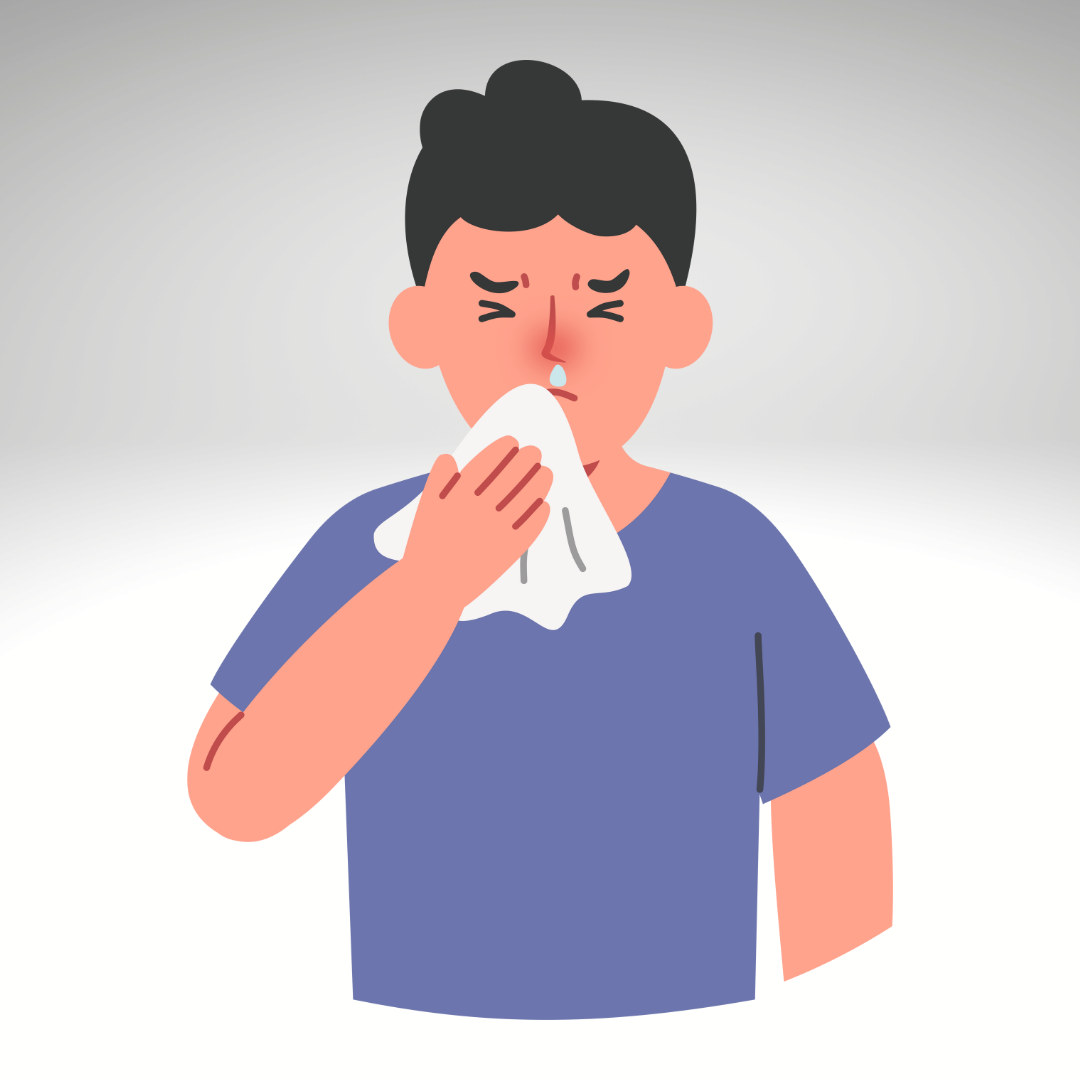
Runny or blocked nose
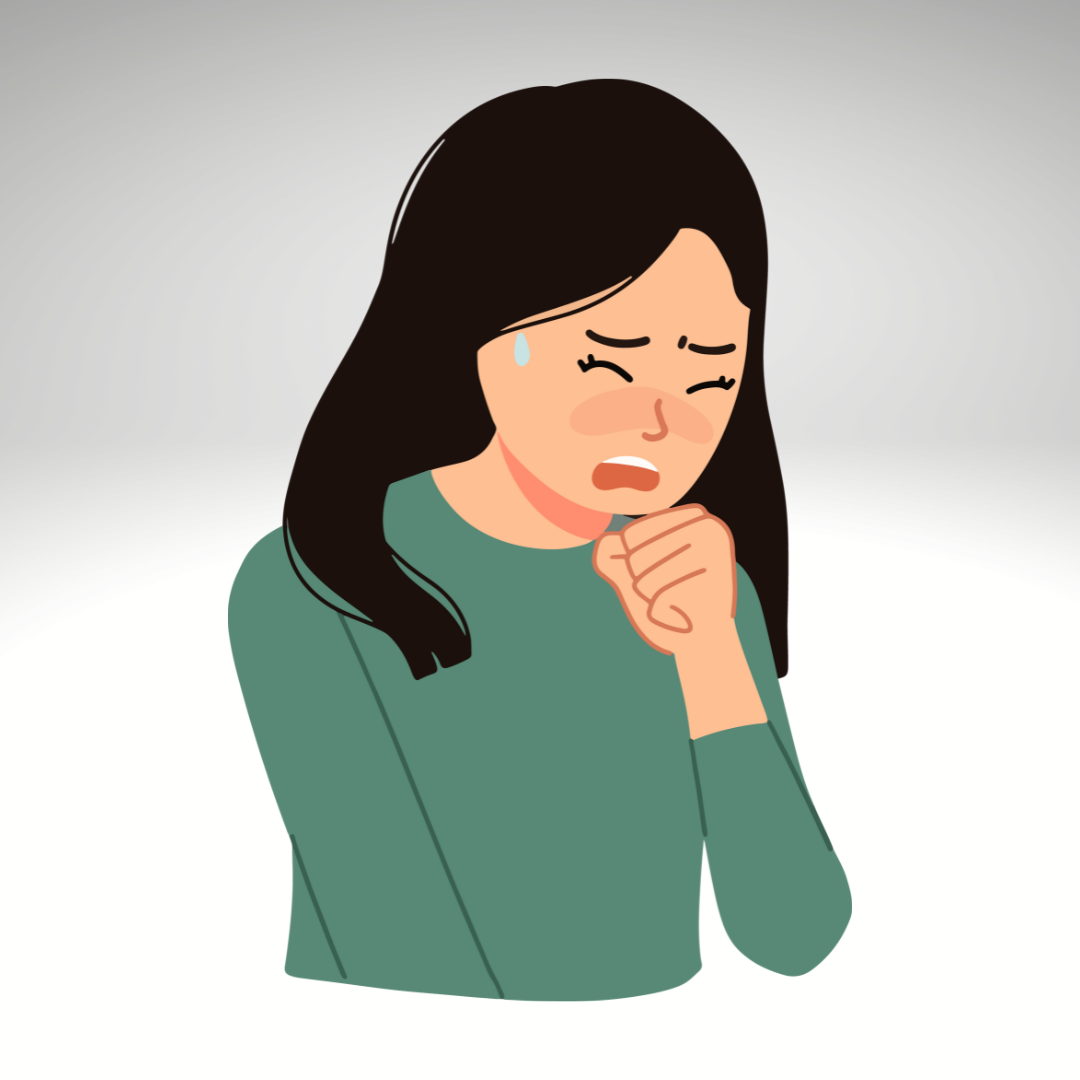
Cough

Muscle pain

Loss of appetite
In some cases, children and elderly individuals may experience more severe symptoms, requiring medical attention.
While most seasonal fever symptoms resolve within a few days, warning signs that need medical evaluation include:
Early diagnosis helps prevent complications such as dehydration or secondary bacterial infections.
The typical seasonal fever duration ranges between 3 to 7 days. Mild cases may recover within a few days, while some viral infections can last up to 10 days depending on immunity and care taken during recovery.
Adequate rest, hydration, and timely treatment significantly reduce recovery time.
There is no specific cure for viral infections, but seasonal fever treatment focuses on relieving symptoms and supporting the immune system. Treatment may include:
At Vydehi Hospital, doctors evaluate symptoms carefully to rule out other infections like dengue, typhoid, or bacterial fever before confirming viral fever.
Knowing how to protect ourselves from seasonal viral fevers is key to prevention. Simple measures include:

Washing hands frequently with soap
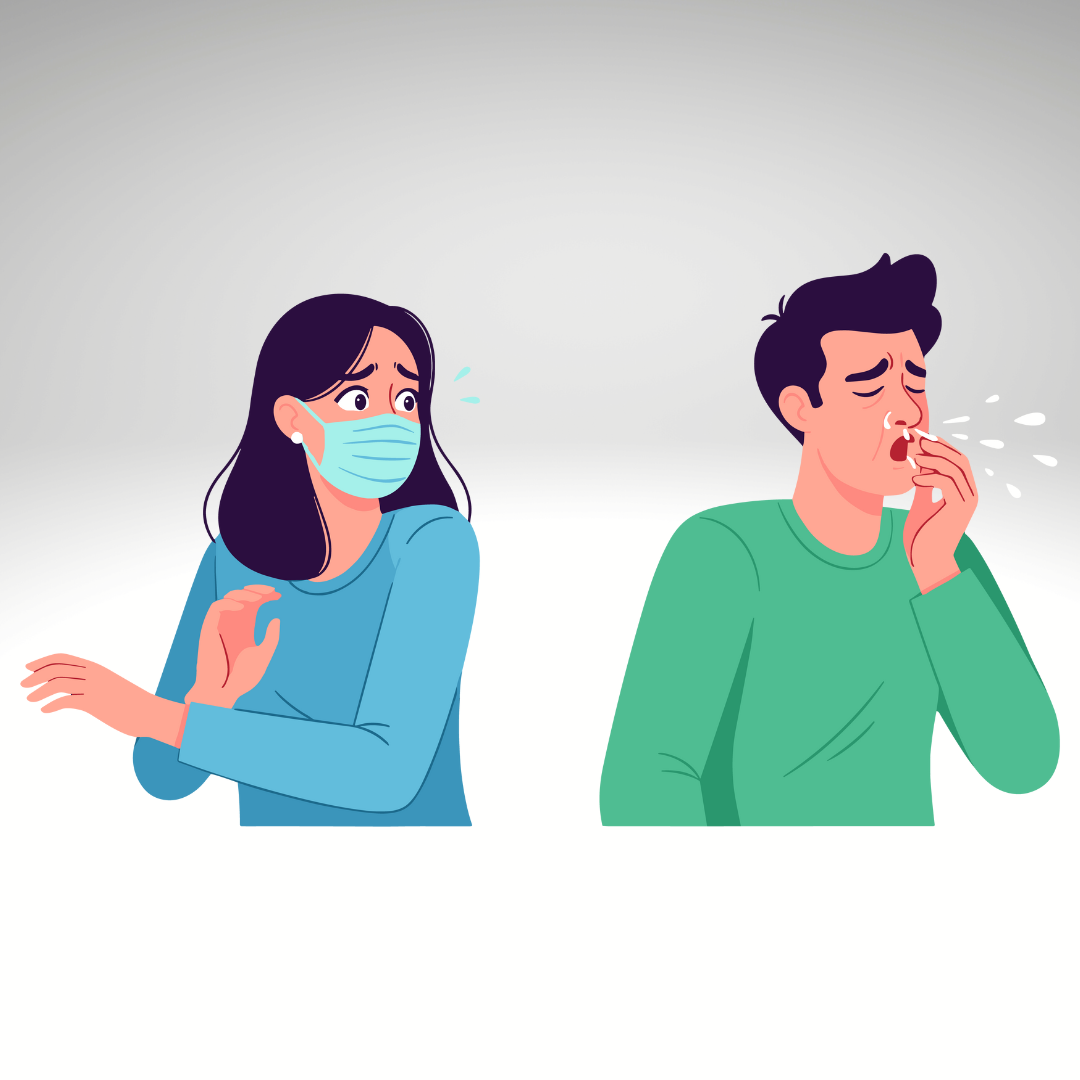
Avoiding close contact with sick individuals

Wearing masks in crowded places

Maintaining good hydration

Eating immunity-boosting foods
Getting adequate sleep
Avoiding sudden exposure to cold and heat
Building immunity through a healthy lifestyle significantly lowers the risk of infection.
Also know more about Disease Is Viral Nowadays: Know the Risks, Symptoms & Prevention
While most viral fevers are mild, consult a doctor if symptoms worsen or persist beyond a few days. Early medical care ensures proper diagnosis and prevents complications, especially in children, elderly individuals, and those with chronic illnesses.