

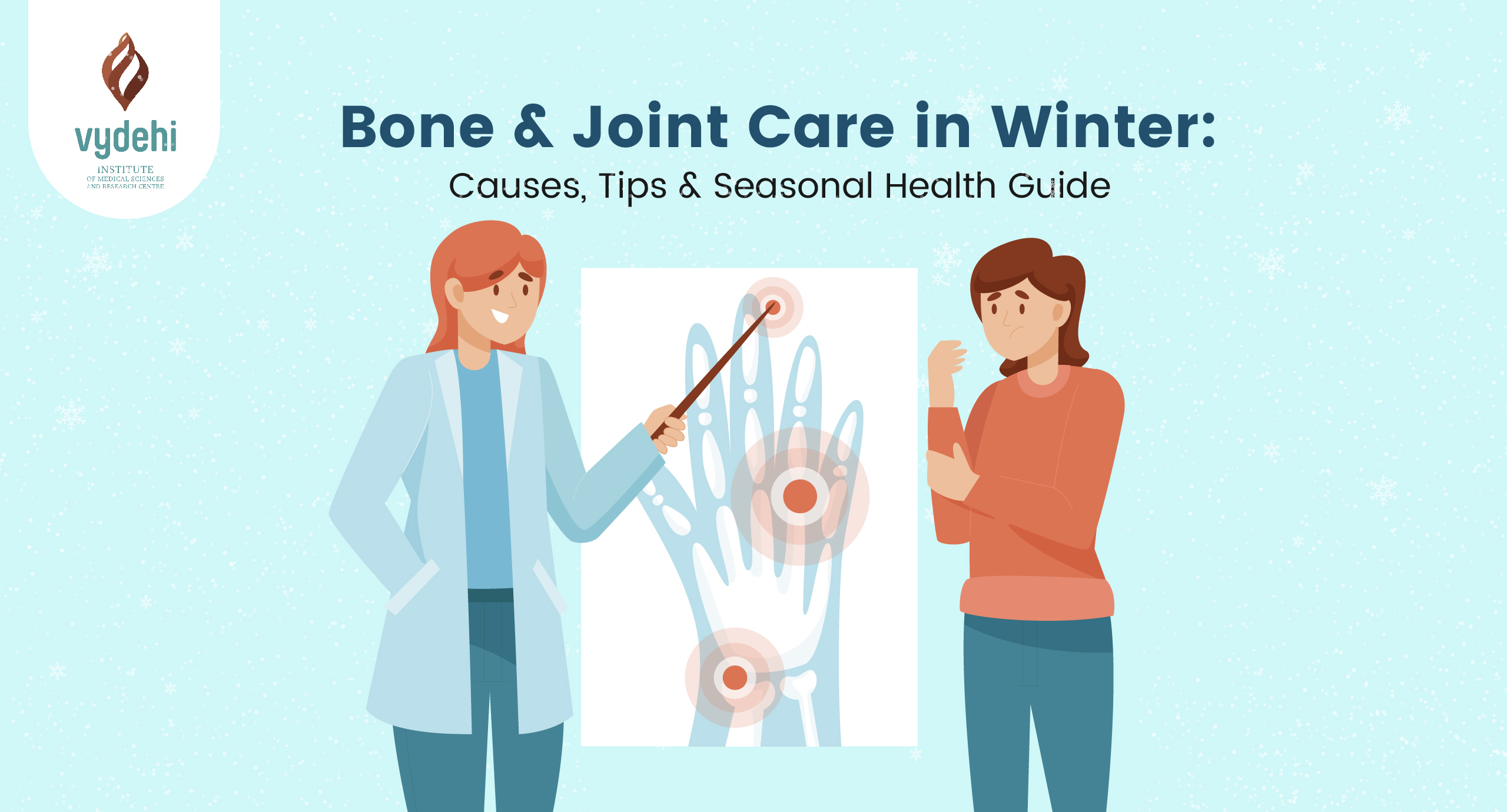

Winter is a time when many people, especially older adults, experience increased discomfort in their bones and joints. As temperatures drop, complaints like bone pain in winter, stiffness, swelling, and restricted movement become more common. But why does this happen? And what can you do to protect your bone and joint health during the colder months?
Understanding how cold weather affects your body can help you take preventive steps and seek timely care from a trusted bone & joint care team at Vydehi Hospital.
Many people wonder, “Does cold weather affect bones?” Yes, it can. Cold temperatures may cause muscles, tendons, and surrounding tissues to contract. This reduces joint flexibility, resulting in discomfort, stiffness, and pain.
People suffering from arthritis, osteoporosis, past fractures, or chronic joint issues often notice worsening symptoms. This is why joint pain in the winter season is a common experience.
Low temperatures can shrink blood vessels, slowing blood flow to the joints. This makes them feel stiff and painful.
Winter encourages a sedentary lifestyle. Lesser movement can worsen joint stiffness and make bone pain in cold weather more noticeable.
Sunlight exposure reduces in winter, affecting Vitamin D synthesis, which is essential for bone health in winter. Low Vitamin D can cause aches, weakness, and leg bone pain in winter.
People with arthritis often report severe joint pain in winter, especially in the knees, hips, and hands.
Those with previous fractures may experience fracture bone pain in winter, as cold temperatures affect healed bone tissues.
People often ask, “Is osteoporosis worse in winter?” Reduced sunlight, low activity levels, and poor bone density together may worsen osteoporosis symptoms in cold weather.
Joint Pain and Stiffness
The most common complaint, especially in the knees and shoulders.
Bone Pain in Different Areas
Inflammation and Swelling
Less mobility and colder temperatures may cause fluid build-up around joints.
Keeping your joints healthy during winter is all about staying warm, active, and well-nourished. Here are essential bone & joint care tips:
Warmth helps loosen tight muscles and improves blood circulation.

Even simple exercises like walking, stretching, yoga, or light aerobics help keep the joints flexible. Avoid long periods of sitting.
Low-impact exercises support bone & joint care in winter by reducing stiffness and strengthening bones.
To maintain strong bones during winter:
This is crucial to prevent bone pain in winter and manage osteoporosis.

Include foods rich in Calcium, Omega-3, protein, and antioxidants:
Good nutrition reduces inflammation and protects the joints.
People drink less water in winter, which can worsen joint stiffness. Hydration maintains joint lubrication.

Extra weight puts pressure on bones, especially knees and hips, increasing joint pain in winter.
Gentle oil massage improves circulation and helps relieve stiffness. Heat therapy is effective for joint pain in winter causes linked to muscle tightness.
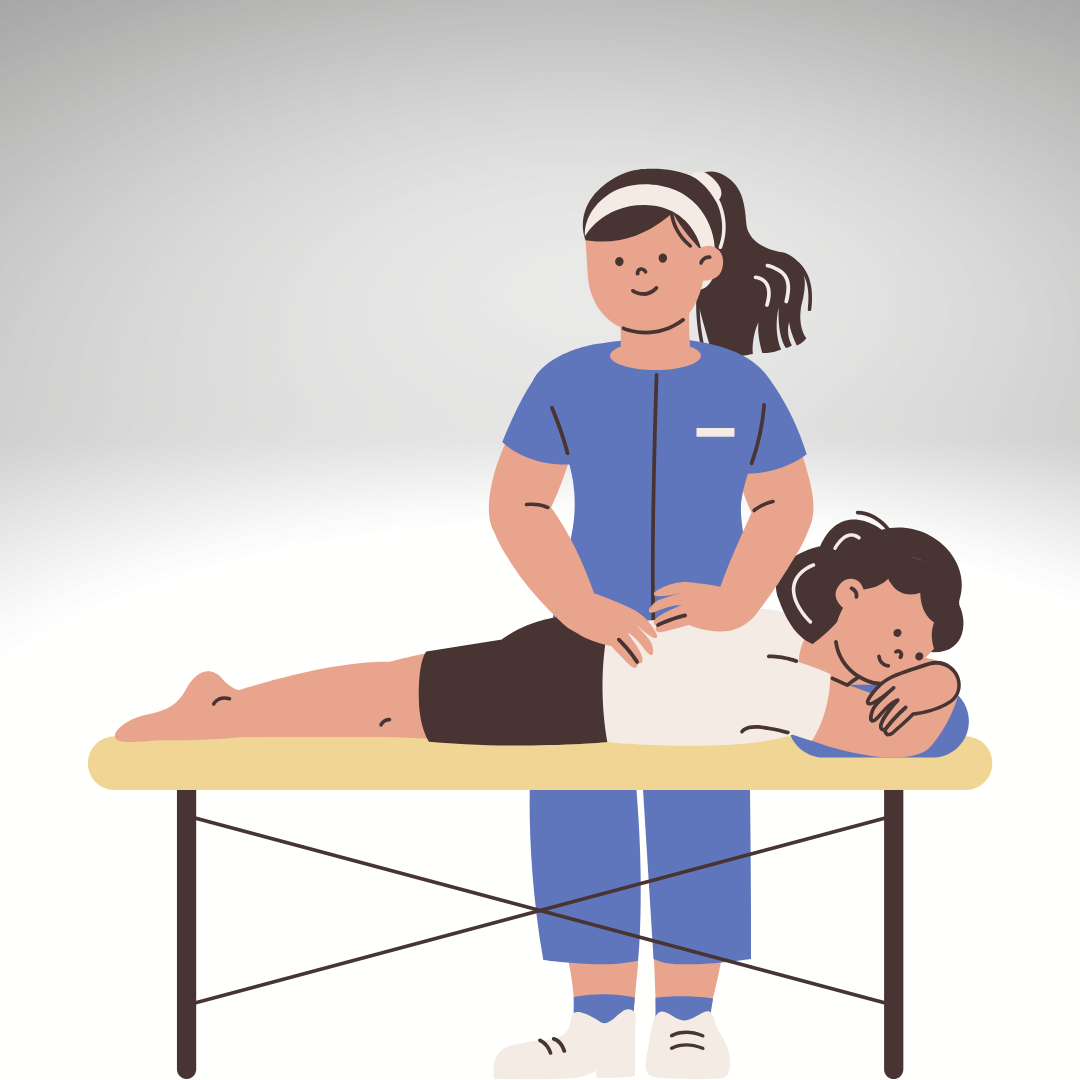

If pain becomes severe, persistent, or affects daily activities, consult specialists.
The Orthopaedic and Bone & Joint Care Department at Vydehi Hospital provides expert evaluation and treatment to ensure timely relief and long-term joint health.
Seek medical help if you notice:
Ignoring these can worsen joint health during winter.